If you are choosing an interior design studio in Cape Town for a residential renovation, a new build, or a hospitality project, the framework worth using has two criteria and one piece of definitional clarity most search results skip. The two criteria are portfolio and process. Most clients weight portfolio heavily and process barely at all. That imbalance is where difficult projects begin.
The definitional clarity: an interior decorator, an interior designer, and an interior architect are not interchangeable. A decorator works on aesthetics, surface treatment, and objects. A designer takes on spatial planning and often does an architect’s work in practice. An interior architect owns the technical decisions around plumbing, electrical, HVAC, and fire safety. The scope each can legally and practically own is what determines whether the project you commission actually delivers what you have in mind.
"With more boutique firms like TERRA, we place huge importance on client time. We're seeing the client at least once to twice a week in the beginning."
Nicole Currer
The difference between an interior decorator, designer, and interior architect in Cape Town
Interior decorators in Cape Town, and the interior designers and interior architects they get grouped with, occupy genuinely different scopes of work. The distinction matters because the scope determines whether the studio can legally and practically deliver what the brief calls for.
An interior decorator works on aesthetics. The role covers surface treatments, wallpaper, colour, textiles, and the objects that furnish a room. What a decorator does not do is anything that requires intense construction. There is no plumbing, no electrical, no reticulation, no wet work. If the brief is to reset the look of a room without touching the underlying building, a decorator is the right appointment.
An interior designer sits closer to an interior architect in practice than most clients realise. Scarlett of TERRĀ is direct on this: “When a client appoints an interior designer, you’re pretty much doing an interior architect’s role. Within TERRĀ, you’re responsible from the onset for first fix points, plumbing and electrical, which informs HVAC and fire safety.” The overlap is significant, and it varies by studio, which is part of why clients are so often unclear about what they are actually commissioning.
An interior architect leads with the technical side. The training is technical-first, and very few universities in South Africa offer interior architecture as a formal course. An interior architect owns spatial planning, first fix coordination, and the technical logic that determines whether a room actually works as a room, before the design layers on top of that structure.
The distinction that matters when evaluating a studio: are you appointing someone who owns the technical decisions, or someone who dresses a space that has already been resolved by someone else. Both are legitimate briefs. They are not the same brief.
How to evaluate interior design companies in Cape Town
Two criteria carry most of the weight when evaluating interior design companies in Cape Town. The first is the portfolio. The second, and the one clients under-weight most reliably, is the process.
The portfolio question is straightforward. Do the past projects resonate with what you want your project to be? Is there a visual and material coherence that suggests the studio has a considered point of view, or does the body of work look like a collection of contractor-led jobs with a decorator’s finish. A portfolio can be beautiful and still be a poor predictor of fit. What matters is whether the aesthetic direction genuinely aligns with yours, not whether the portfolio impresses at first scroll.
The process question is where most of the risk sits, and it takes longer to answer. Studios differ enormously in how they run the early phase of a project. Boutique studios in Cape Town typically see clients once to twice a week during the brief and concept stages, over the first eight to twelve weeks. Larger firms may see clients monthly. Both models can work. The client evaluating them needs to know which they are signing up for, because the level of contact in the first two to three months determines whether the design that emerges is genuinely theirs or a generic version of what the studio does.
Four questions to ask any interior design company before signing
Before signing with any interior design company in Cape Town, a client should get direct answers to four questions.
How often will you see me during the brief and concept stages, and for how many weeks?
Frequency of contact in the early phase is the single strongest predictor of whether the resulting design will feel bespoke or generic. If the answer is monthly, the design will be applied to you rather than developed with you. The number to compare against: boutique studios typically see clients once to twice a week during briefing and concept, over the first eight to twelve weeks.
Who owns first fix coordination — plumbing, electrical, and the technical decisions that inform HVAC and fire safety?
If the studio does not own first fix, someone else does. Find out who, and find out how you will be involved in coordinating between them. Understanding where the technical accountability sits determines whether the project can be run through one point of contact, or whether you will be coordinating between the interior designer, the architect, and the contractor personally. If the studio owns first fix, ask which technical consultants they routinely work with.
What is included in the fee at each stage, and where does the fee stop?
Fee structures vary. Percentage-of-project-cost, fixed-fee-against-deliverables, and hybrid models all have legitimate use. What matters more than the model is where the fee locks: does it cover briefing and concept only, design development, or through construction administration and snagging. A fee that ends at concept sign-off is a different appointment from one that runs to handover.
What is the change-order process after concept sign-off, and what does it typically cost?
Every project has changes. A studio’s honesty about how those changes are handled, and what they cost, is a leading indicator of how the whole project will run. Ask for a specific example. Vague answers to this question are a signal, not a reassurance.
How to identify a luxury interior designer in Cape Town
The identifying signal of a luxury interior designer in Cape Town is not the fee, and not the portfolio’s most photographed project. It is the discipline of the specification.
Luxury, at this level, is a matter of decision-making capacity. A studio operating at luxury level has enough technical fluency to specify materials for their long-term behaviour, enough process rigour to hold the brief through six or nine months of construction, and enough relationships with the right fabricators and suppliers to make what the drawings ask for actually get built.
None of that shows up in a photograph. All of it shows up in whether the interior still reads as considered five years after handover.
There is also the question of fee. Scarlett is direct: “You always get what you pay for. If a project is more condensed in time and we’re seeing the client more, you might end up spending more in the beginning. But the end of your project is going to be more realised and holistic because of the time spent.”
The compressed brief handled with rigour costs more upfront and less over the lifetime of the project. The dispersed brief handled at low cost costs less upfront and significantly more once the change orders arrive. Understanding this is what distinguishes a considered client from a price-shopping one.
What makes an interior design project actually work
Every experienced interior designer in Cape Town, and there are more than the market gives credit for, agrees on one thing about what makes a project actually work: communication.
The technical language is straightforward. A brief needs to be shared honestly at the outset. Preferences that clients hold back at the start because they want the studio to propose freely almost always surface later, at exactly the point in the project when unwinding them is most expensive. A brief revealed in month three is a project that has to be partially redone.
The subtler point is what the communication actually requires from the designer.
"It's about learning how to translate a client brief into a decision."
Nicole Currer
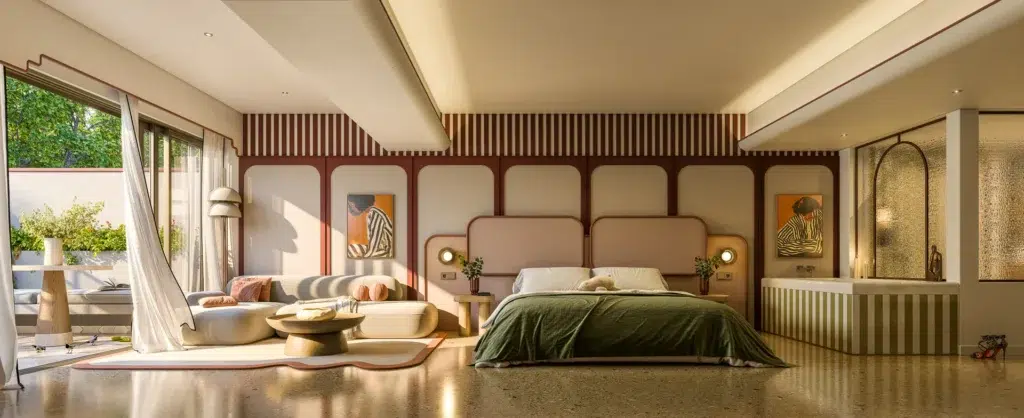
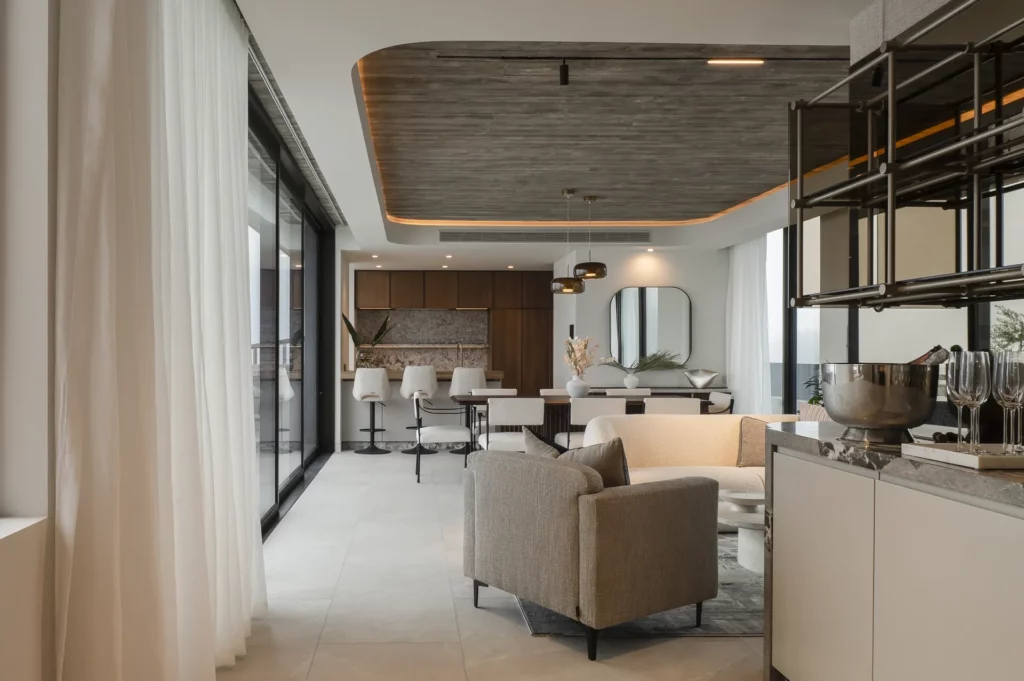
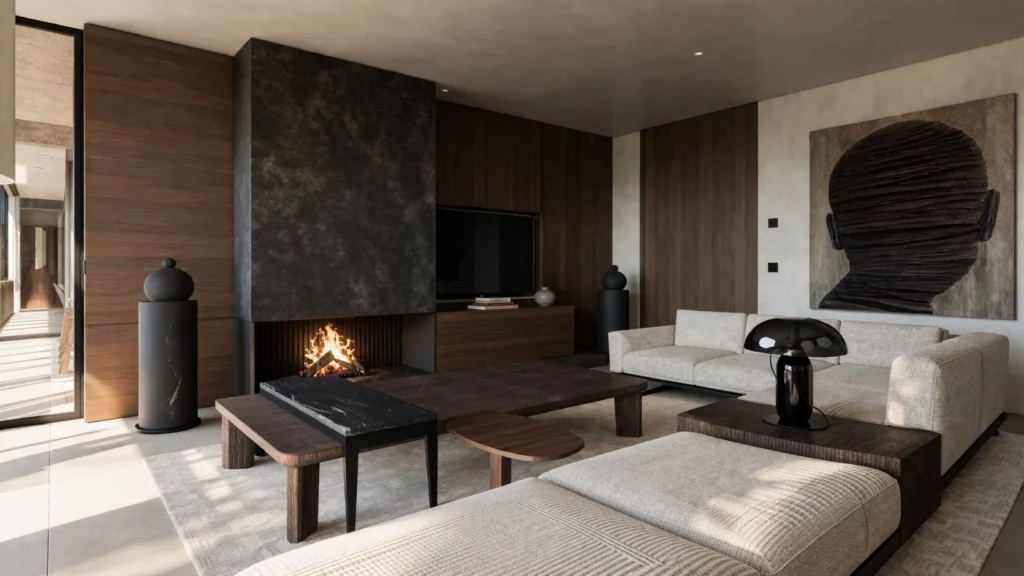
Scarlett’s framing captures the part of the role that clients rarely see. Understanding what a client is asking for beneath what they have said is the work. A client says they want “timeless.” The studio’s job is to understand whether they mean unfussy modernism, mid-century restraint, or old-world classicism. Three interiors that share almost nothing, all reachable from the same word.
That is why the studios that keep asking questions in stage one produce better projects than the studios that move quickly to concept. The concept applied to a misunderstood brief is a concept the client will unwind three months later, when they finally recognise it is not what they meant.
A studio that treats the client brief as a first draft to be refined together produces a different project than a studio that treats the brief as a specification to be executed. The first model requires more of the designer’s time in the early phase. It also produces the interior the client actually wanted, rather than the interior the client described.
Scarlett is unambiguous on where projects fail: “As soon as communication is halted, that’s when projects end up going the wrong way. Whether it’s between client and designer or client and contractor, it’s always about making sure you dot your I’s and cross your T’s.”
Choosing an interior design studio in Cape Town: the summary
Choosing the right interior design studio in Cape Town is less about matching a portfolio to a mood board and more about matching a process to a project. The studio’s aesthetic will be visible from the first meeting. The studio’s process will only be visible once the project is well underway.
A client who evaluates for both, and who understands the difference between an interior decorator’s scope, an interior designer’s scope, and an interior architect’s scope, is a client whose project has a much higher chance of ageing well.
Take the four questions in the section above into your next three studio conversations. Ask each studio the same four questions, in the same order. The studios that answer with specifics, named consultants, and honest change-order economics are the studios worth shortlisting. The studios that answer vaguely are answering vaguely for a reason.
That reason will become clear in month six. The question is whether it becomes clear before you have signed the appointment letter or after.
Frequently Asked Questions
What is the difference between an interior decorator, an interior designer, and an interior architect in Cape Town?
An interior decorator works on aesthetics only: surface treatments, wallpaper, textiles, and furnishing. An interior designer overlaps significantly with an interior architect in practice, taking on spatial planning and first fix coordination (plumbing, electrical, HVAC informing). An interior architect leads with the technical side and owns the structural logic of how a space works before any design layers over it.
How do I choose the right interior design company in Cape Town?
Evaluate on two criteria. First, does the portfolio’s aesthetic direction genuinely align with yours. Second, and more important, does the studio’s process match the project’s needs. Ask specifically how often you will see the studio in the first eight weeks. Boutique studios typically see clients once to twice a week during the brief and concept stages. Larger firms may see clients monthly. Both models can work; you need to know which you are signing up for.
How often should I be seeing my interior designer during the brief stage?
Once to twice a week is the boutique-studio standard in Cape Town for high-end residential work. The compounding value of frequent early contact is a project that does not need to be corrected later. If a studio is proposing monthly meetings during the brief stage, the design will be applied to you rather than developed with you.
What questions should I ask an interior design studio before signing?
Four questions matter most. How often will you see me during the brief and concept stages. Who owns the technical decisions on this project (first fix coordination, HVAC, fire safety). What is included in the fee and what is not, broken down by stage. What happens if I change my mind after concept sign-off. Vague answers to any of these are a signal about how the whole project will run.